
The $2.7 Million Lesson:
Why a Phase I ESA Matters Before Subject Removal
A recent British Columbia Court of Appeal decision, Zuo v Chen, 2026 BCCA 109, serves as an important reminder for property buyers: what you do not investigate before subject removal can become a multi-million-dollar liability afterward.
Key takeaway: Environmental due diligence is most valuable before subjects are removed, while the buyer still has contractual leverage and options.
The Case at a Glance
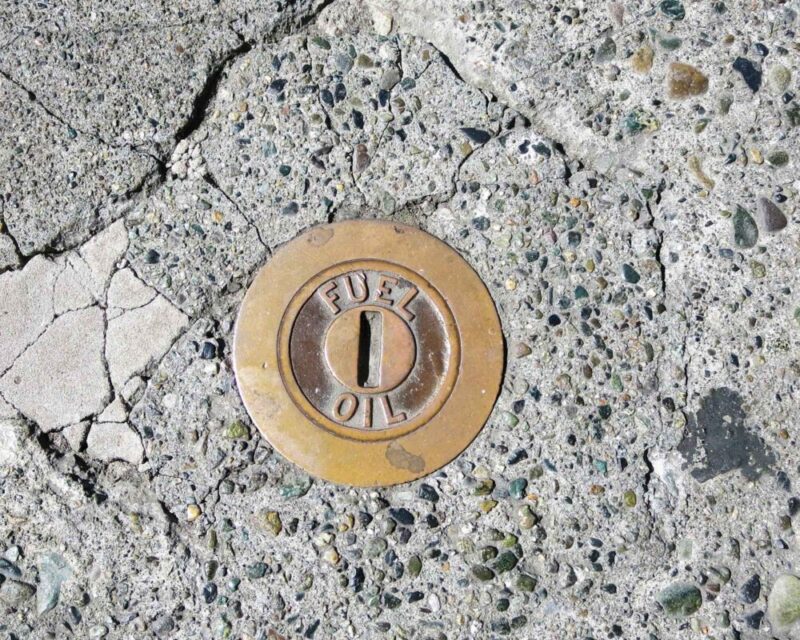
A buyer agreed to purchase a commercial property for $8.25 million. During negotiations, the seller represented that it had “no environmental reports,” despite having previously received a report identifying the property as a former gas station with contamination concerns.
The buyer made a pivotal decision: she waived her environmental subjects without first obtaining a Phase I Environmental Site Assessment (ESA).
After the subject waiver, Phase I and II reports identified contamination concerns, and the buyer refused to close. The buyer was ultimately held liable after the property resold for a much lower price, resulting in a $2.67 million shortfall.
Why a Phase I ESA Matters
From an environmental due diligence perspective, this case highlights why a Phase I ESA is not just a “box to check,” but a vital risk-management tool that should be completed before subjects are removed.
1. It reduces reliance on the seller’s word
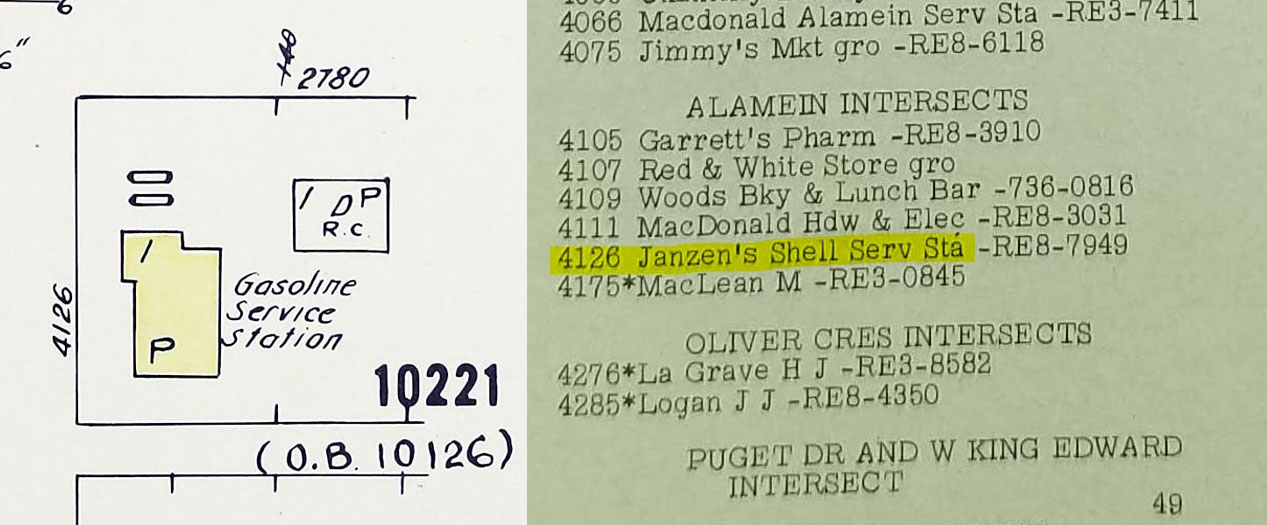
The seller’s representation regarding environmental reports was a central issue in the litigation. A Phase I ESA provides an independent, objective review of historical and current property uses. Through a review of fire insurance plans, city directories, aerial photographs, and regulatory records, together with a Site reconnaissance, the process can identify potential environmental concerns even where information provided by other parties is incomplete or inaccurate.
2. Subject removal shifts the legal risk
Once environmental subjects are waived, a buyer’s legal options can narrow significantly. In Zuo v Chen, the Court placed significant weight on the buyer’s independent decision to waive subjects before completing due diligence. A Phase I ESA allows a buyer to assess risk while contractual options may still be available.
3. Evidence is everything in court
The buyer argued that contamination made financing impossible, but the Court did not accept that argument based on the evidence presented. The broader lesson is that environmental risks and their impact on a transaction should be documented by qualified professionals, not based on assumptions or general industry expectations.
The Bottom Line
The practical burden of due diligence remains firmly on the buyer before subject removal. A Phase I ESA is a relatively modest investment when compared with the financial exposure of proceeding without adequate environmental information.
Before signing a subject waiver, get the report first.
Do not rely on silence or incomplete disclosure. Make sure you have the facts before the deal becomes much harder to unwind.
Source and Further Reading: Lawson Lundell LLP, “Contaminated Land, No Way Out: BC Court of Appeal Holds Buyer to $8.25M Purchase Despite Seller’s Misrepresentation,” 15 April 2026.