
Site Disclosure Statements in BC: Know Your Property’s History Before You Sign
Property history & environmental due diligence
Selling a property, applying for certain land use approvals or permits, decommissioning a site, and ceasing operations can all trigger a Site Disclosure Statement (SDS) requirement in British Columbia.
Certain insolvency, receivership, and foreclosure circumstances can also trigger disclosure, and a director may order an SDS. Answering it accurately requires understanding the property’s history, including activities that occurred before you owned it.
The SDS replaced the former site profile. It identifies industrial and commercial activities listed in Schedule 2 of BC’s Contaminated Sites Regulation that may have caused contamination. Disclosing a listed activity does not necessarily mean the property is contaminated.
The ordinary disclosure requirements generally depend on a Schedule 2 history and the applicable trigger. Exemptions may apply. Municipalities may also request an SDS where no Schedule 2 use has occurred, as explained in the BC Ministry’s guidance.
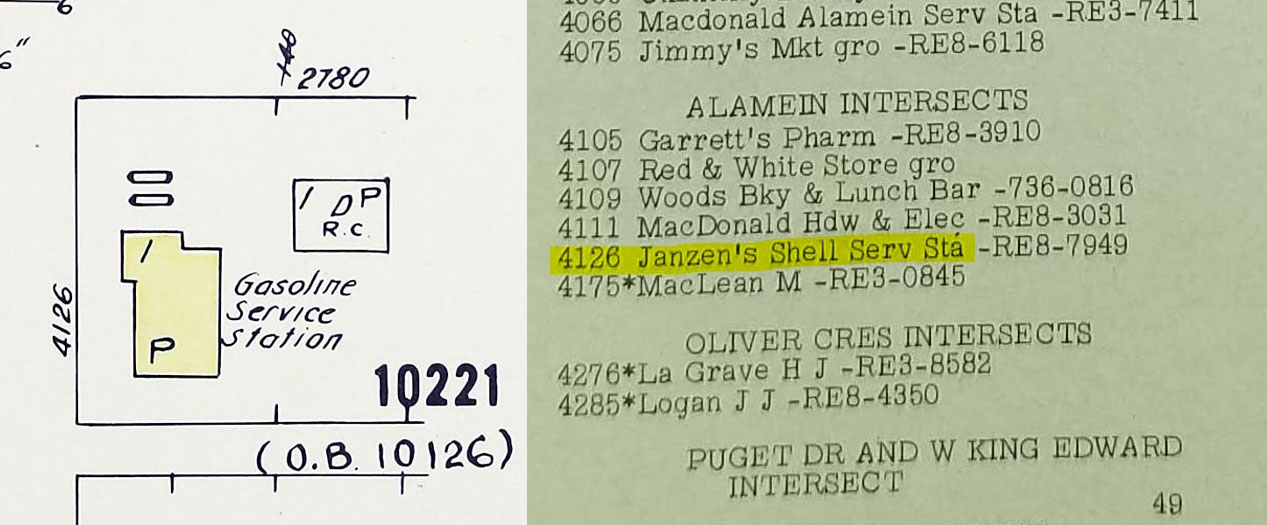
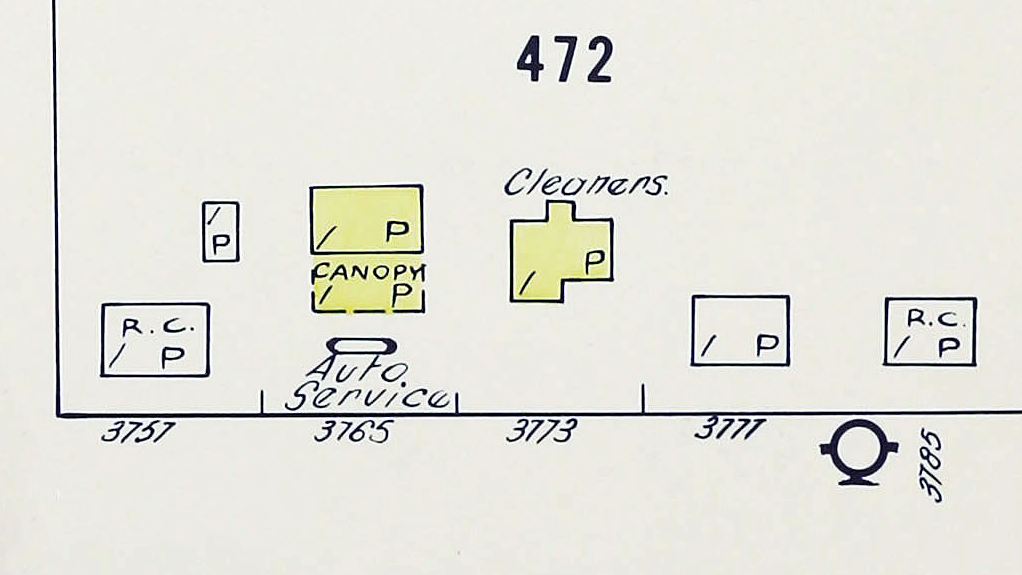
A Phase I Environmental Site Assessment (Phase I ESA) can help establish the history needed to complete the SDS. This work may include reviewing historical aerial photographs, historical maps and plans, municipal records, previous environmental reports, and Site Registry information, together with interviews and a site inspection. A Phase I ESA is not automatically required for every SDS, but it can be valuable where historical uses are uncertain.
An authorized consultant can prepare the SDS, but the owner or operator must review and sign it. Gaps in the property’s history should be investigated before answering “no” to past Schedule 2 uses. Knowingly providing false or misleading information in an SDS can result in fines or imprisonment under BC’s Environmental Management Act. Accurate, supported answers help avoid incomplete submissions and unnecessary delays.