
Quality Assurance and Quality Control: How CSR Delivers Reliable Environmental Site Assessments
Quality assurance and quality control (QA/QC) are essential components of a reliable Environmental Site Assessment (ESA). Whether assessing a property for purchase, financing, or redevelopment, clients depend on accurate information and sound professional judgment to understand potential environmental risks.
At CSR Consultants Ltd., we incorporate QA/QC procedures throughout our environmental assessment process, from historical research and Site reconnaissance to report preparation and final technical review. Our approach combines experienced environmental professionals, comprehensive documentation, high-quality research materials, and standardized internal review procedures.
While these practices apply to both Phase I and Phase II ESAs, they are particularly important in Phase I Environmental Site Assessments, where conclusions are often based on interpreting historical information rather than collecting physical samples.
The following examples illustrate some of the measures CSR takes to maintain the quality and reliability of our assessments.
1. Better Historical Records Make for Better Assessments
Historical research is one of the most important components of a Phase I ESA. Understanding how a property was used decades ago can reveal activities that may have affected soil or groundwater.
A single business listing or a small annotation on a fire insurance plan can reveal a former gas station, dry cleaner, or industrial operation that might otherwise go unnoticed.
But not all historical records are created equal.
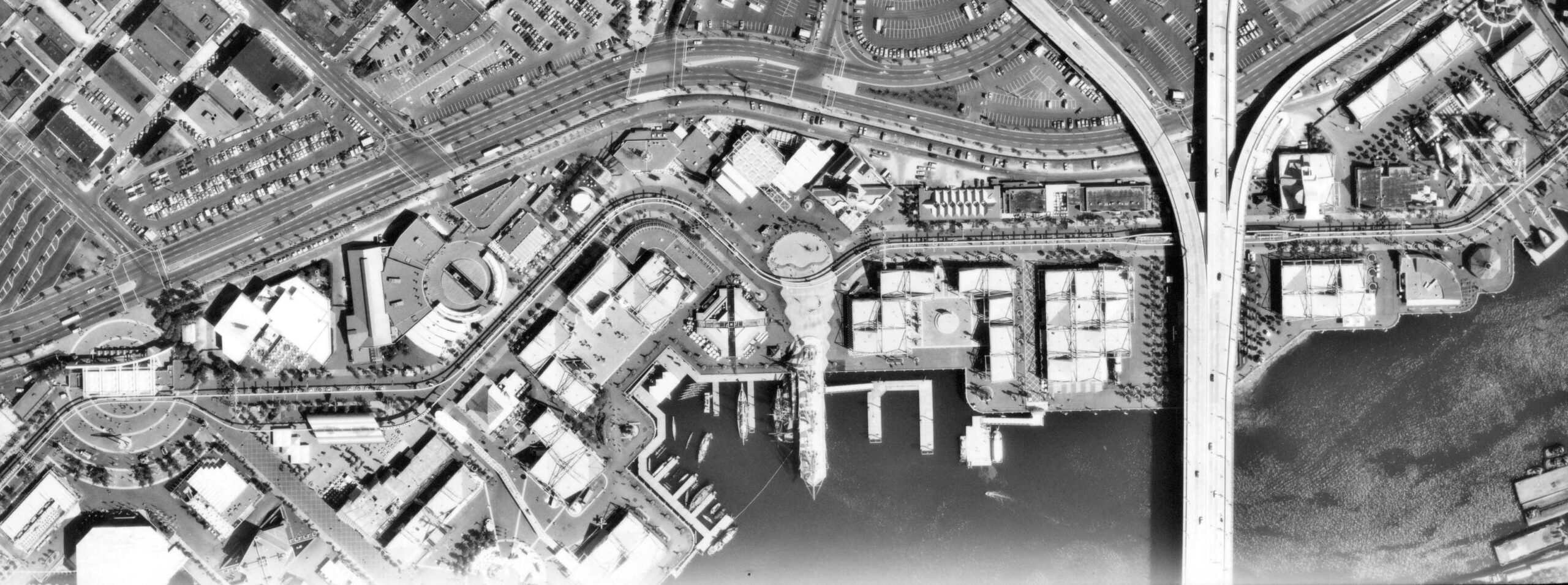
CSR emphasizes obtaining clear, high-resolution reproductions of original city directories, fire insurance plans, aerial photographs, and other archival materials.
Rather than relying on blurry, difficult-to-read microfiche reproductions, we prioritize high-quality digital images that preserve the details of the original records, including colour where present.
Why does image quality matter? Environmental due diligence depends on getting the details right. A misread business name or an overlooked annotation could mean missing an important clue about a property’s history.
See the Difference for Yourself
The following examples illustrate the quality of historical documentation used in our assessments. Click any image to view the full-resolution version.
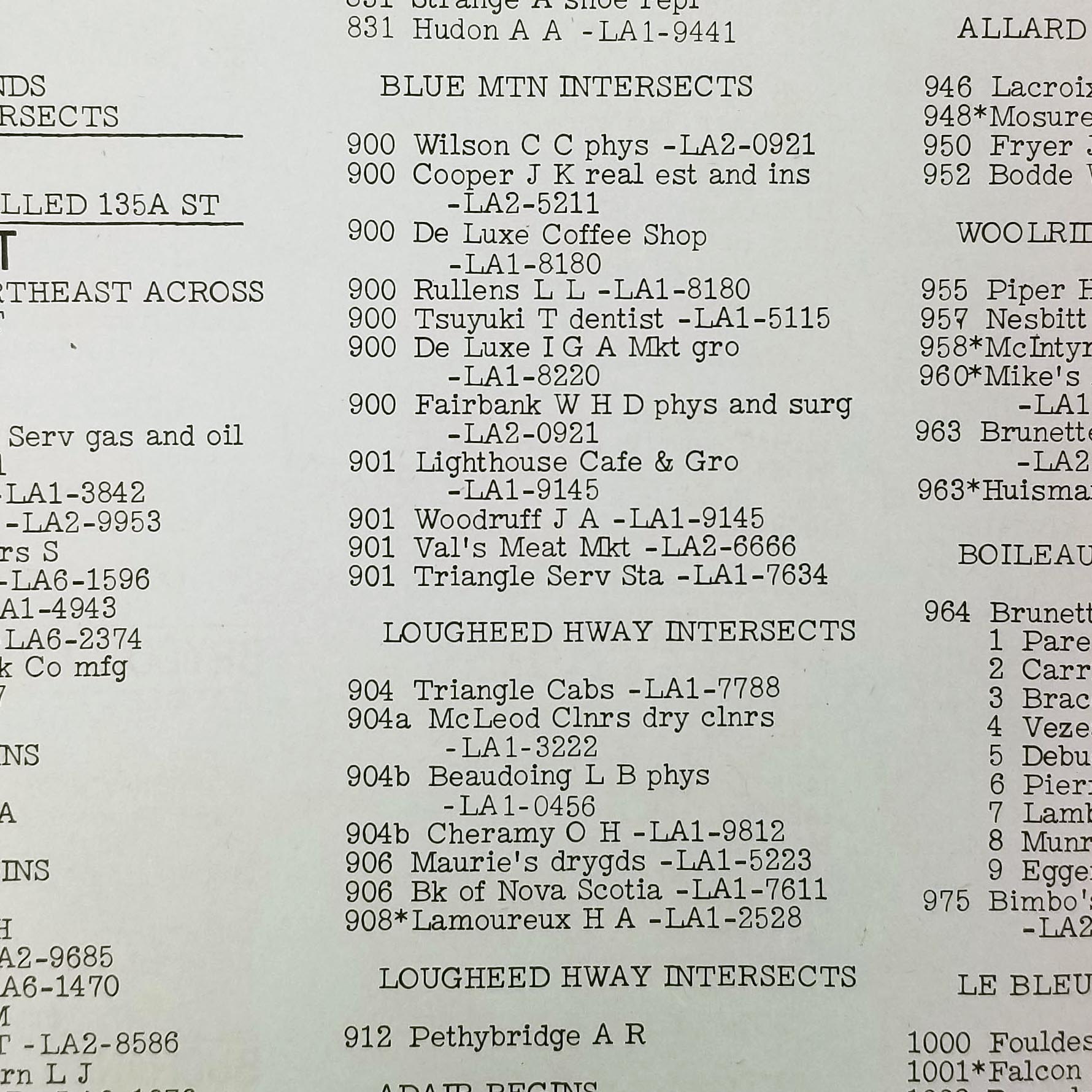
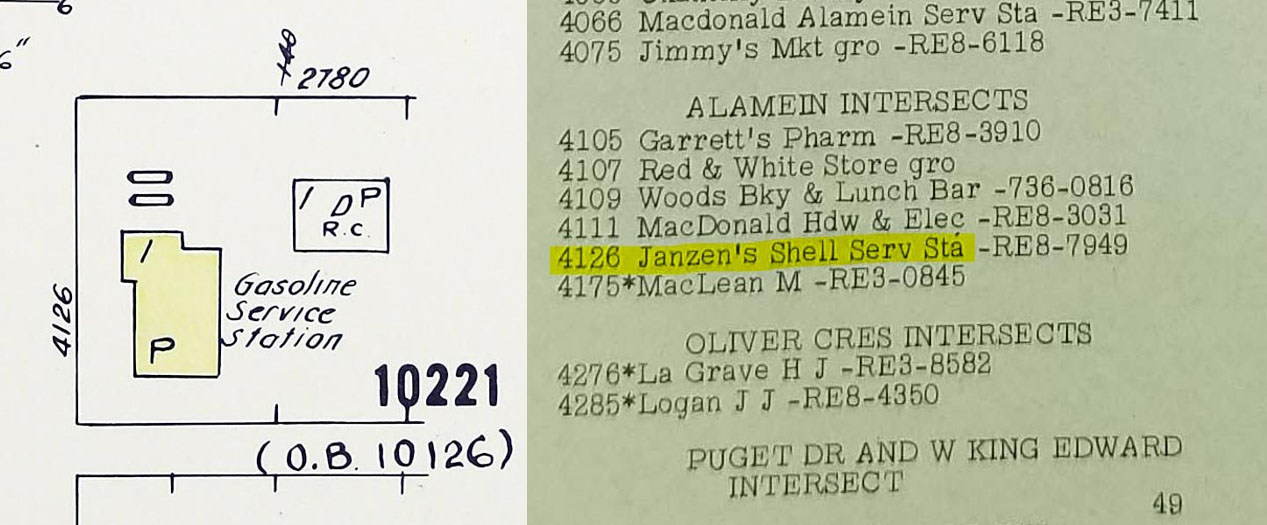
Clear business listings, addresses, and historical commercial activities.
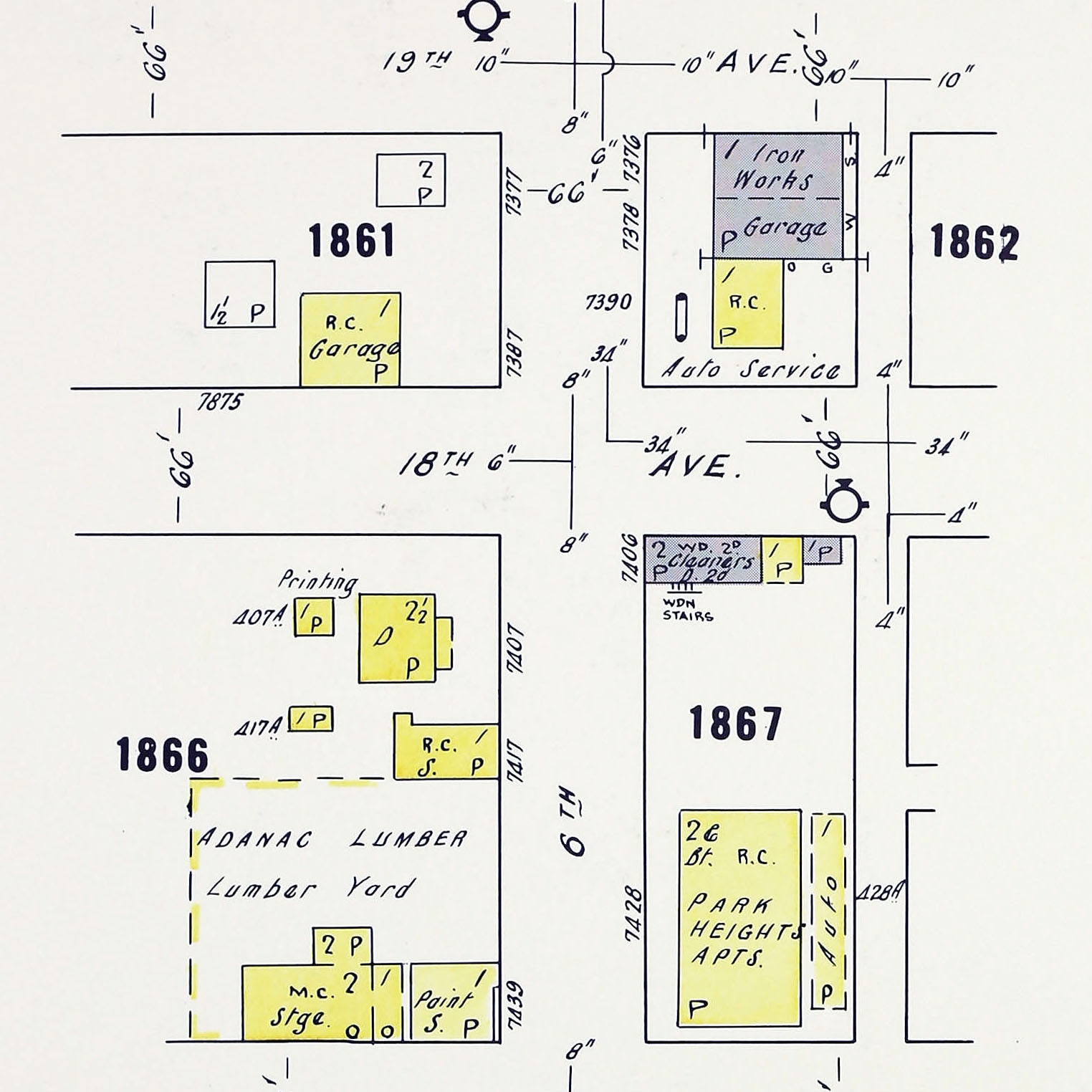
Detailed building uses, industrial operations, and original colour markings.
Notice the service station and dry-cleaning listings in the directory, and the iron works and auto service operations on the fire insurance plan. These are the kinds of historical details that environmental consultants need to recognize and evaluate.
Of course, image quality is only part of the process. We also cross-check historical sources, compare information from different periods, and investigate inconsistencies rather than simply accepting records at face value.
The result is a more reliable understanding of a property’s history and the potential environmental concerns associated with its past uses.
Learn more about CSR’s Phase I ESA research and assessment process.
2. Taking More Photographs Than We Might Need
During Site reconnaissance, CSR takes several photographs to document property conditions.
We don’t limit photographs to obvious environmental concerns such as chemical storage areas, floor drains, or mechanical equipment. We also document building exteriors, service areas, property boundaries, and other features that may initially appear unremarkable.
Why photograph something that doesn’t seem important? Because it might become important later.
A photograph of an exterior wall or former service area could help clarify an observation when compared with historical information or reviewed during report preparation.
Not every photograph makes it into the final report, but comprehensive photographic documentation provides a valuable record of conditions at the time of the assessment.
3. Two Experienced Professionals, Two Levels of Review
Technology and good source material are important, but there’s no substitute for experience and professional judgment.
At CSR, Phase I ESAs are prepared by Robert Hare, B.Sc., Senior Environmental Consultant, who has approximately 30 years of environmental due diligence experience and has completed more than 3,000 Phase I ESAs and Stage 1 Preliminary Site Investigations throughout British Columbia.
After preparing each assessment, Robert conducts a comprehensive final review of the report, including its historical findings, supporting evidence, environmental conclusions, and recommendations.
The report then undergoes a separate technical review by Mamoud Bashi, MBA, QP, FEC, P.Eng., CSR’s Principal and Environmental Engineer, who also brings more than 30 years of professional experience.
Mamoud holds the Fellow of Engineers Canada (FEC) designation, a national honour recognizing significant contributions to the engineering profession.
Contributing to the preparation and technical review of each Phase I ESA.
This layered review helps ensure that findings are properly supported, potential concerns have been considered, and conclusions are clear, consistent, and defensible.
4. Quality Control Behind the Scenes
Not every quality management measure is visible in the finished report.
CSR also uses a standardized internal project review process to document important environmental considerations, professional judgments, and technical review.
This provides consistency and accountability while allowing additional attention to be directed toward more complex assessments or unusual findings.
The objective is to ensure that important decisions are considered, checked, and documented before a report is finalized.
5. Quality Assurance in Phase II Environmental Site Assessments
While Phase I ESAs rely primarily on records, observations, and professional interpretation, Phase II ESAs involve collecting and analyzing environmental samples.
This introduces additional QA/QC considerations. Depending on the investigation, these can include:
- Field duplicate samples: Used to evaluate sampling and analytical precision.
- Field and trip blanks: Used, where appropriate, to identify possible contamination during sampling, handling, or transportation.
- Chain-of-custody procedures: Used to document sample identification, handling, and transfer to the laboratory.
- Laboratory quality control: Includes applicable calibration checks, method blanks, matrix spikes, surrogate recoveries, and laboratory control samples.
- Analytical data review: Evaluates laboratory results, detection limits, data qualifiers, and quality-control findings before conclusions are drawn.
These measures help establish whether the analytical information is reliable and suitable for its intended purpose.
The objective is the same as for a Phase I ESA: reliable information that supports informed environmental decisions.
The Importance of Quality in Environmental Assessments
A thorough environmental assessment requires more than collecting historical documents, taking photographs, or preparing a report. It requires careful evaluation of the available information and experienced professional judgment.
At CSR, high-quality historical research, comprehensive photographic documentation, experienced reviewers, and consistent internal quality management procedures are important parts of our assessment process.
These practices help us provide clients with reliable environmental information to support property purchases, financing, redevelopment, and risk management decisions.
Planning a Property Transaction?
CSR provides Phase I Environmental Site Assessments throughout British Columbia, with experienced professionals involved in every assessment.